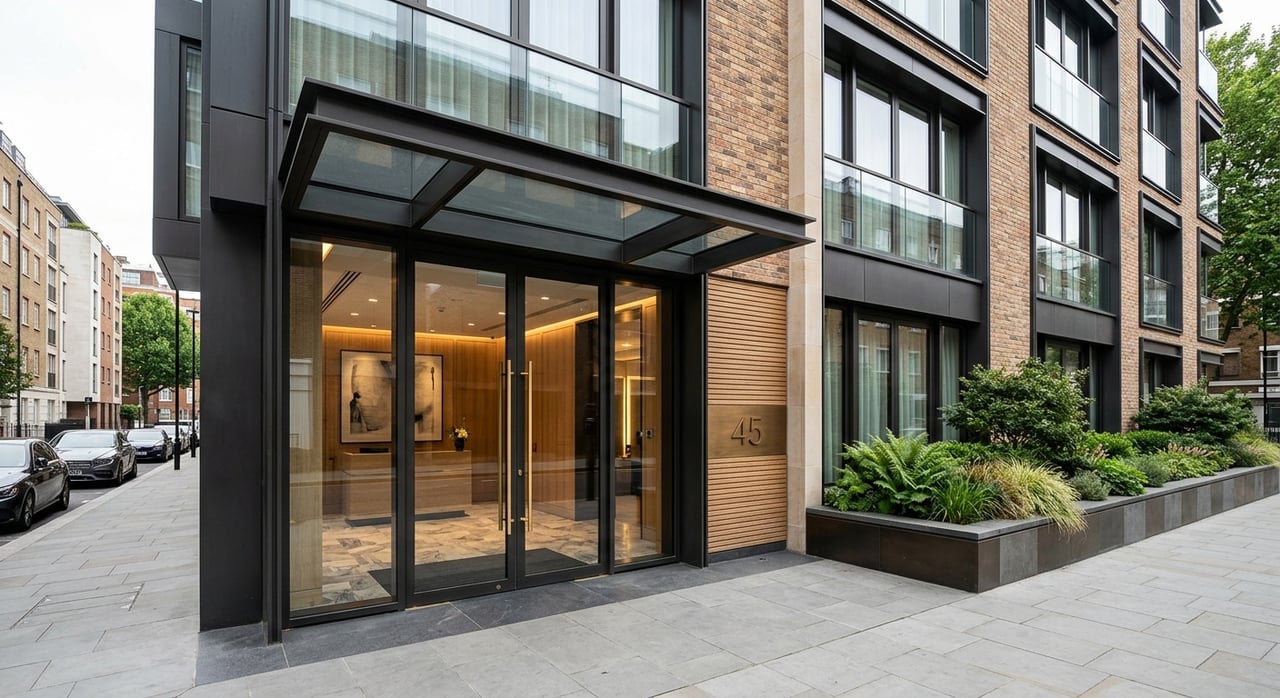
Seeing “as‑is” on a Midtown listing can feel like a red flag. You might worry it means no inspections, no disclosures, and no leverage if something goes wrong. In New York City, it works differently. By the end of this guide, you’ll know what “as‑is” actually covers, what it doesn’t, how it varies by property type, and how to protect yourself with smart due diligence and contingencies. Let’s dive in.
What “as‑is” really means in NYC
“As‑is” generally means you accept the property’s current physical condition at closing and the seller is not obligated to make repairs you discover before closing. Many NYC contracts reflect this standard, consistent with industry forms and practices used across the city’s market. You can still negotiate credits or repairs, but the seller is not required to agree just because an issue turns up.
Here’s what “as‑is” does not do:
- It does not shield a seller who commits fraud, misrepresentation, or active concealment. If a seller knowingly hides a material defect or makes a false statement, you may have remedies.
- It does not override required disclosures or municipal obligations. Building violations, open permits, or certificate of occupancy issues are governed by city rules and will affect your closing regardless of contract language.
- It does not erase specific promises made in the contract. If the seller gives a written representation such as “no known active leaks,” that statement can be enforced.
For context on standard NYC practices and form language, you can review the Real Estate Board of New York’s resources on industry forms and practices.
How it differs by property type
“As‑is” plays out differently in condos, co‑ops, and townhouses, especially in Midtown’s older buildings.
Condominiums
What you buy: fee simple ownership of your unit plus an undivided interest in common elements. Your rights and obligations come from the condo declaration, bylaws, and building rules.
What to review:
- Offering plan and amendments, bylaws and declaration, budget and reserve information, recent board minutes, pending litigation, insurance coverage, and unit ledger for unpaid common charges.
- Building records such as certificate of occupancy, violations, and job filings through the NYC Department of Buildings Building Information Search.
How “as‑is” applies: you typically retain the right to inspect the unit. Seller repair obligations are limited by the clause, but not your right to pursue fraudulent concealment if it occurs. For building‑wide defects like roof, façade, or elevator issues, the condo association’s capital plans and assessments often matter more than individual seller responsibilities. Midtown condos frequently face façade work under the city’s Façade Inspection Safety Program and elevator or boiler upgrades.
Co‑ops
What you buy: shares in a corporation with a proprietary lease. A co‑op board must approve your purchase, and house rules and the proprietary lease control use and alterations.
What to review:
- Board package requirements, proprietary lease, house rules, audited financials, underlying mortgage, reserve levels, maintenance history, pending lawsuits, building violations, alteration policies, and any prior unpermitted work.
- Public records for violations, permits, and CO status via the DOB Building Information Search.
How “as‑is” applies: co‑op sales often include “as‑is” language, but inspections may be limited by access in occupied units. You must also navigate the board approval process, which can impose conditions, request repairs, or require escrows. Many Midtown co‑ops are prewar with aging plumbing and mechanical systems, which can lead to special assessments for building projects.
Townhouses and rowhouses
What you buy: fee simple real property more akin to traditional home purchases, with full title search and title insurance.
What to review:
- Title and deed history, prior alterations and permits, certificate of occupancy, tax records, HVAC and electrical systems, foundation and basement conditions, possible oil tanks in older buildings, and façade conditions.
- Use ACRIS for deed and lien history through the city’s Automated City Register Information System, and verify property tax details with the NYC Department of Finance.
How “as‑is” applies: you can and should conduct full inspections, including structural, roof, mechanical, and pest. Municipal violations and required permits remain relevant to closing, and your lender and title company will likely require certain issues to be cleared or escrowed.
Inspections you should not skip
Even in an “as‑is” deal, inspections are your best risk control.
Core physical inspections
- General home inspection: structure, roof, exterior, windows, water intrusion, HVAC, plumbing, and electrical.
- Specialized checks as needed: pest/termite, mold and moisture, asbestos or lead paint in pre‑1978 buildings, intrusive plumbing inspections for older cast‑iron stacks, elevator condition concerns where relevant.
Environmental and site checks
- Townhouses: look for evidence of historic oil tanks and consider an environmental inspection if risk is suspected.
- Radon is less common in NYC apartments but can be tested if desired.
Public record and municipal checks
- DOB: search complaints, open permits, violations, CO status, and façade reports using the Building Information Search.
- HPD: review housing code complaints and violations through HPD Online.
- ACRIS: confirm deeds, mortgages, liens, and easements via ACRIS.
- Tax records: confirm assessments and payment history with the Department of Finance.
- Condos and co‑ops: if a building was newly formed or converted, offering plans and amendments are overseen by the New York State Attorney General’s Real Estate Finance Bureau. Review plans and minutes for upcoming capital work or litigation.
Contingencies and timing to protect
In NYC, timelines move fast. Preserve these safeguards during attorney review and contract negotiation.
Attorney review period
This short window is your chance to refine the contract, add specific seller representations, and protect key contingencies. Use it to align on inspection access, document delivery timelines, and any known remediation needs.
Inspection contingency
Ask for a defined inspection window and the right to negotiate repairs or credits, or to terminate if serious issues are found. Shortening a contingency can keep your offer competitive without waiving protections entirely.
Board approval contingency for co‑ops
Co‑op deals should be contingent on satisfactory board approval. If the board denies or imposes unacceptable conditions, you should retain the right to exit.
Financing contingency
If you are financing, preserve a mortgage contingency. In strong markets, some buyers reduce or waive this to compete, which increases risk. If you adjust timelines, do it knowingly and get lender guidance first.
Negotiation levers in “as‑is” deals
You still have tools even when the property is offered “as‑is.”
- Price concessions or credits: request a closing credit for expected repair costs rather than asking the seller to fix items pre‑closing.
- Repair holdbacks or escrow: hold funds in escrow until specified repairs are completed after closing.
- Specific seller representations: ask the seller to confirm items in writing, such as “no known active leaks” or “no outstanding DOB violations.” These become enforceable terms.
- Pre‑closing remediation: negotiate that the seller will cure targeted violations or obtain permits prior to closing.
- Right to walk away: keep a termination right tied to inspection, attorney review, or board approval if material issues emerge.
Midtown‑specific watchouts
Midtown’s inventory spans prewar co‑ops, midcentury buildings, and newer towers. That variety creates unique “as‑is” risks.
- Façade and safety compliance: verify the building’s FISP cycle history and any open façade violations using DOB records. Learn about the program on the city’s Façade Inspection Safety Program page.
- Building systems and assessments: older plumbing stacks, boilers, and elevators can drive large capital projects. Check board minutes and budgets for upcoming assessments.
- Energy compliance and potential upgrades: larger buildings may face emissions requirements under Local Law 97, and energy auditing or retro‑commissioning can trigger work under Local Laws 84 and 87.
- Mixed‑use elements: ground‑floor retail or office can affect finances and operations. Review how commercial components interact with residential budgets.
- Illegal alterations: look for unpermitted interior changes or conversions in DOB history; these can complicate financing and insurability.
- Noise and HVAC: placement of mechanicals and façade type matter for comfort and upgrade costs. Factor this into inspections and budgeting.
Quick buyer checklist
Use this list to organize your “as‑is” due diligence in Midtown:
- Contract: keep inspection, attorney review, financing, and board approval contingencies.
- Records: search DOB, HPD, ACRIS, and Department of Finance for violations, permits, liens, CO status, and taxes.
- Building documents: review condo offering plan or co‑op financials and minutes for capital projects, assessments, and litigation.
- Inspections: schedule general and targeted inspections quickly, especially for older systems and potential moisture or façade issues.
- Negotiation: request credits, escrows, or specific seller representations where needed.
- Closing: confirm any required cures for violations or permits are completed or escrowed to satisfy lender and title requirements.
For sellers: making “as‑is” work
You can streamline an “as‑is” sale and still build buyer confidence.
- Prepare documentation: gather building financials, offering plans, minutes, alteration records, and any permits or sign‑offs that apply.
- Be transparent on known issues: clear, factual disclosures reduce post‑contract friction and build trust.
- Price to condition: align pricing with needed work to encourage clean offers and faster timelines.
- Consider early diligence: provide recent inspection reports or proof of completed repairs to reduce buyer uncertainty.
- Stay flexible: credits or small escrows can keep a deal on track when issues surface late.
The bottom line
“As‑is” in NYC does not mean “no protection for buyers” or “no accountability for sellers.” It means you must lean on thorough inspections, smart contingencies, and careful review of public records and building documents. With the right strategy, you can manage risk, keep your offer competitive, and move confidently toward closing in Midtown.
If you want a local, step‑by‑step plan for your situation, reach out to Elaine Tian to schedule a free consultation.
FAQs
In NYC “as‑is” sales, can a seller be liable for hidden defects?
- Yes. “As‑is” does not protect against fraud, misrepresentation, or active concealment. Document issues and consult your attorney about remedies.
Can I still do inspections for an “as‑is” Midtown condo or co‑op?
- Yes. Contracts commonly allow inspections, though access may be limited in occupied co‑ops. Keep an inspection contingency and a right to terminate if serious issues arise.
What happens if the building has DOB violations or open permits in Midtown?
- Violations and open permits can affect financing and closing. Lenders and title companies may require cures or escrows; negotiate credits or remediation before closing.
Does “as‑is” change my chances of co‑op board approval in Manhattan?
- No. Board approval is a separate process. The board can impose conditions or deny; keep a board approval contingency in your contract.
Should I waive contingencies to win a Midtown bidding war on an “as‑is” unit?
- Waiving increases risk. Consider shortening timelines instead of waiving, and use targeted seller representations or escrow to balance competitiveness with protection.