Thinking about buying a small multifamily in Flushing? You are not alone. With tight vacancies across the NYC metro and strong renter demand in Queens, well-located 2 to 6 unit buildings can offer resilient cash flow if you underwrite them carefully. This guide breaks down building types, typical rents, key regulations, expenses, value-add ideas, and the main risks to watch in Flushing. Let’s dive in.
Why Flushing works
Flushing’s rental demand benefits from metro-wide low vacancy and steady leasing for well-priced units. Recent market commentary highlights very low vacancies across NYC, with Queens among the tighter submarkets, which supports occupancy and rent collections when you price correctly. You can review that citywide context in this overview of the New York multifamily market and cap rates. Recent NYC multifamily reporting notes tight conditions and solid demand.
Transit access is a major draw. Properties near Flushing–Main Street benefit from the 7 train terminus and LIRR service, which drive foot traffic and renter interest in nearby blocks. Explore station details on the Flushing–Main Street station page.
Flushing has a majority-renter profile in central zip codes and many family households, so multi-bedroom layouts tend to see durable demand. One-bedroom averages in recent aggregators often land in the low $2,000s, though rents vary widely by exact location, building age, and finish level.
Common 2 to 6 unit buildings
You will see a mix of property types:
- Two-family detached or semi-detached houses, sometimes with owner-occupancy, concentrated along side streets off Main Street and Kissena corridors.
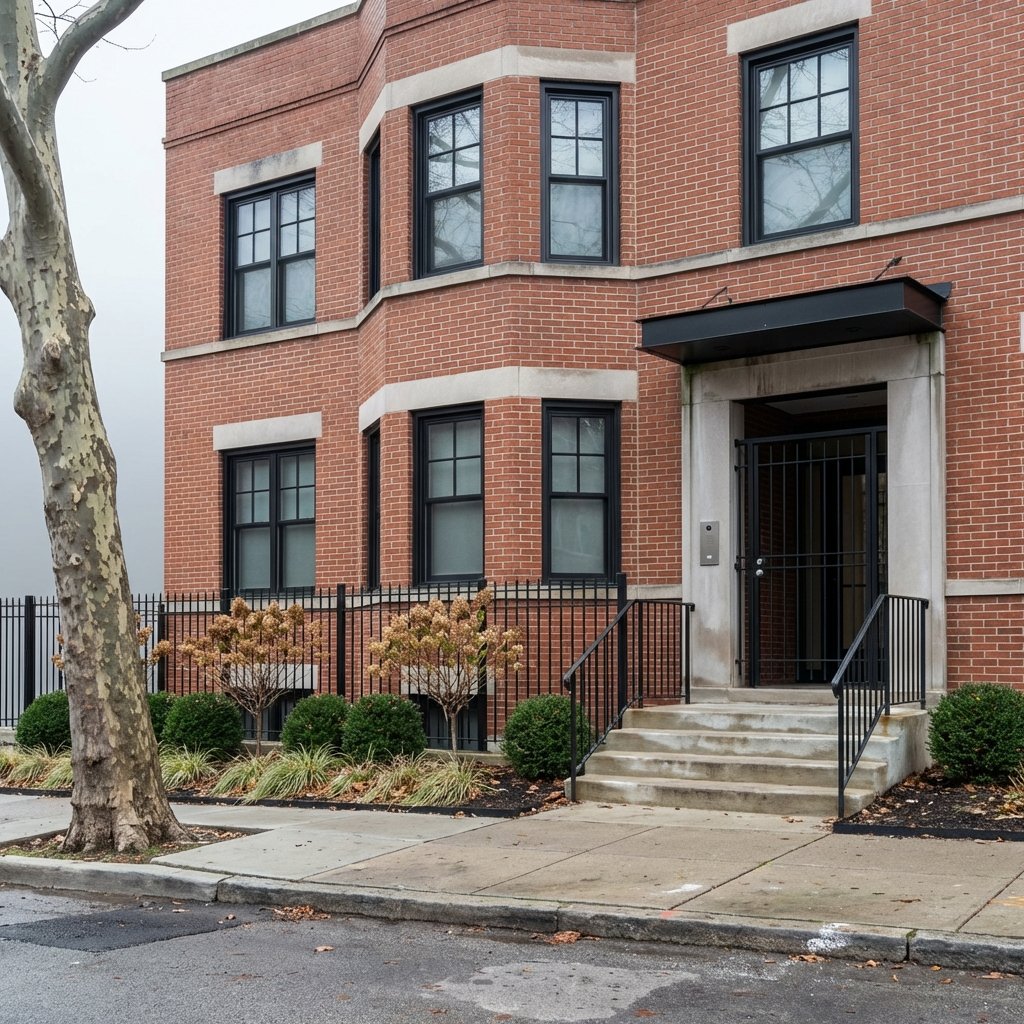
- Three to six unit walk-ups, often pre-war brick with straightforward systems, sometimes with a ground-floor storefront on downtown blocks.
- Newer low-rise elevator or townhouse-style multiunits delivered from the 1990s forward. These typically command higher rents and may have lower near-term capital needs than older walk-ups.
Expect older buildings to need roof, facade, plumbing, or boiler attention. Plan reserves and inspections up front.
Rents, vacancy, and income
- Income: Start with current leases, then benchmark against nearby active comps. In central Flushing, 1-bedroom market averages often show in the low $2,000s, with larger units and newer finishes pushing higher.
- Vacancy and collection: Given NYC’s tight market, many investors model 3 to 6 percent vacancy and collection loss for well-located buildings. Use the higher end if units are dated or the property has deferred maintenance. For context on metro tightness, see this NYC multifamily overview.
Regulations to check first
Rent stabilization status
Rent regulation is deal-critical. As a rule of thumb, buildings with six or more units built between February 1, 1947 and December 31, 1973 are often rent stabilized, and some properties that received certain tax benefits can also be stabilized. Always verify status and rent histories with NYS HCR/DHCR. Review the HCR rent stabilization overview.
HPD property registration
NYC requires annual HPD registration for multiple dwellings with three or more residential units, and for 1 to 2 unit dwellings that are not owner-occupied. Non-registration can lead to fines and limit your ability to enforce leases. Get the details and check status via HPD’s owner bulletin.
Property tax class and assessment
NYC taxes properties by class. Class 1 covers one to three family homes. Class 2 covers residential buildings with more than three units. Assessment ratios and effective tax rates differ, which can materially change your net income. Always pull the DOF record for the parcel. Learn more on the NYC DOF property value page.
Transfer taxes at closing
Sales with four or more units may be taxed under the commercial transfer tax schedule rather than the residential schedule. Build accurate transfer taxes and recording costs into your closing budget. See an overview of NYC transfer tax rules and thresholds.
Underwriting basics
Vacancy and collections
Model a 3 to 6 percent vacancy and collection loss range for well-located buildings. Use more conservative assumptions for older properties or if tenant profiles or unit conditions add risk. See metro vacancy context in recent NYC market commentary.
Operating expenses and OER
Small multifamily operating expense ratios often fall between 35 and 50 percent of gross income. Major categories include property taxes, insurance, repairs and maintenance, utilities if owner-paid, janitorial or grounds, management, turnover costs, and reserves. Industry guidance is summarized here: apartment operating expense ranges.
Management fees
If you hire third-party management, budget around 6 to 10 percent of collected rents. Self-managing saves cash but costs time and increases risk. Rates vary with building complexity.
Reserves and capital items
Older 2 to 6 unit buildings often need roofs, boilers, facade work, or electrical upgrades within a five to ten year window. A common reserve rule of thumb is $500 to $1,500 per unit per year depending on age and condition. See this overview of reserve planning benchmarks.
Taxes and insurance
Property taxes are often your largest expense line in Queens. Confirm the DOF class, current assessment, and recent tax bills to model correctly. Rising insurance costs in urban markets also deserve a cushion. Start with the DOF property value page.
Value-add in Queens
Interior updates and legal rent increases
Unit modernizations like kitchen and bath upgrades can reduce vacancy time and support higher market rents. In stabilized buildings, some work may qualify for Individual Apartment Improvements or Major Capital Improvements. These are regulated and require documentation. Review the rent regulation fact sheets on IAIs and MCIs.
Reconfigurations and zoning checks
Reconfiguring oversized layouts or legalizing a previously non-compliant space can add value, but only if zoning and code allow it. Always confirm FAR, lot coverage, and Certificate of Occupancy implications before you underwrite additional units. Use this practical guide to checking NYC zoning with ZoLa.
What not to underwrite
Avoid assuming easy deregulation of stabilized apartments. The 2019 HSTPA closed most vacancy and high-rent deregulation paths. Future rent upside in stabilized units usually comes from lawful IAI or MCI processes or guideline increases. See the HCR stabilization overview.
Returns and risks
Cap rates for NYC multifamily often print in the 5 to 6 percent range on average, with outer-borough small buildings sometimes trading at slightly higher yields due to age and regulatory complexity. Use micro-neighborhood comps and reconcile to the actual rent roll. For a snapshot of cap rate and vacancy context, see this NYC multifamily market summary.
Key risks to price and manage:
- Rent regulation exposure and incomplete legal records. Confirm status and rent histories with HCR/DHCR.
- Property tax class shifts and assessment changes. Verify on the DOF property value page.
- Deferred maintenance in older buildings. Budget for roofs, boilers, facades, and electrical work.
- Financing risk and exit sensitivity. Stress test interest rates and your exit cap.
Due diligence checklist
Before you go to contract on a 2 to 6 unit property in Flushing, verify:
- Rent regulation status and rent histories with HCR/DHCR.
- HPD registration, open violations, and DOB history using HPD’s owner resources.
- Tax class, assessment, and recent tax bills on the DOF property value page.
- Zoning, overlays, and development potential with the ZoLa user guide.
- A building inspection focused on roof, facade, boilers, wiring, and any non-permitted conversions. Get contractor estimates for near-term work.
- Two financial scenarios: conservative and optimistic. Adjust vacancy, OER, CapEx, and interest rates.
- Closing costs and transfer taxes using this NYC transfer tax overview.
First underwriting steps
- Map rents by unit type. Confirm current leases and pull nearby active comps. Use the low $2,000s as a directional check for 1-bedrooms, then refine by condition and exact block.
- Set vacancy at 3 to 6 percent and collections conservatively if units are dated or operations are owner-managed.
- Build an expense model. Start with a 35 to 50 percent OER. If you plan to pay heat, hot water, or other utilities, lean higher. See industry OER guidance.
- Add management at 6 to 10 percent unless you will self-manage, then budget for your time and contingencies.
- Reserve $500 to $1,500 per unit per year and layer in any near-term capital projects flagged by inspection. Reference these reserve planning benchmarks.
- Check regulation and taxes early. Confirm HCR status, HPD registration, and DOF class before you assume rent growth or tax stability.
Ready to evaluate a specific property or build a shortlist in Flushing? Get local comps, a tailored underwriting worksheet, and hands-on guidance from Elaine Tian. Schedule a free consultation and move forward with clarity.
FAQs
What is rent stabilization for small buildings in Flushing?
- Buildings with six or more units built between 1947 and 1973 are often rent stabilized, and some properties with tax benefits may be as well. Always verify with HCR/DHCR.
How do NYC tax classes affect 2 to 6 unit buildings?
- One to three family homes are Class 1 and four or more unit residential buildings are Class 2, and the assessment rules differ, so your effective tax burden and cash flow can shift. Check the DOF property value page.
What operating expenses should I expect in Flushing?
- Many small multifamily assets model a 35 to 50 percent operating expense ratio of gross income, with taxes, insurance, maintenance, and management as major drivers. See industry OER guidance.
Can I add a legal basement apartment in Flushing?
- Possibly, but only if zoning and code allow it, and you obtain DOB permits and a new or amended Certificate of Occupancy. Start with a zoning check using this ZoLa guide.
What cap rates should I expect in Queens today?
- Recent NYC commentary places many multifamily cap rates around 5 to 6 percent on average, with small outer-borough buildings sometimes higher due to age and complexity. Review NYC multifamily market context and reconcile to local comps and the actual rent roll.