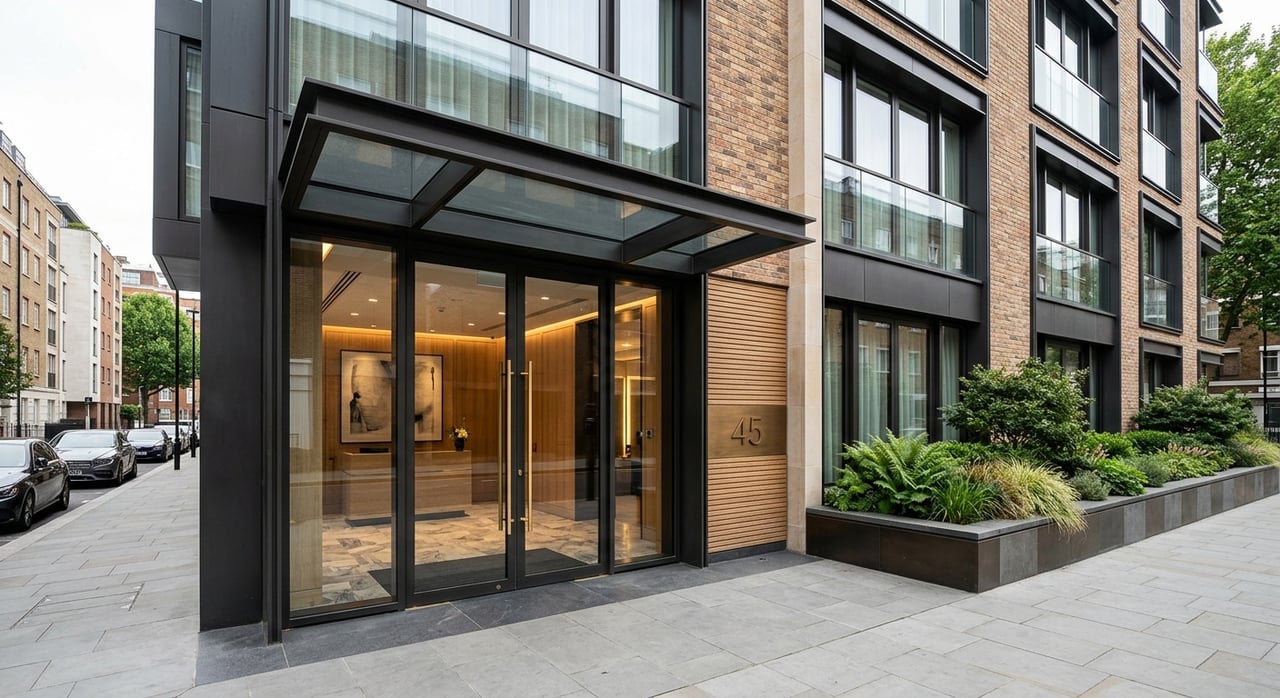
Thinking about buying a condo in Long Island City but unsure whether a new development or a resale is the smarter move? You are not alone. With so many buildings, amenities, and pricing structures, it is easy to feel overwhelmed. In this guide, you will learn how to compare units the right way, estimate your true monthly cost, and match your timeline and budget to the best fit. Let’s dive in.
LIC overview: new vs resale at a glance
- Pricing: New developments often carry a premium for new systems, amenities, and builder warranties. Resales are priced by the market with more room to negotiate.
- Finishes: New buildings are turnkey with consistent finishes. Resales range from original condition to full custom renovations.
- Taxes: New buildings may or may not offer tax abatements, and any benefits are time-limited. Resales have known tax histories from recent bills.
- Common charges: Amenity-heavy new buildings often have higher monthly fees. Resales reflect years of operating history and reserves.
- Closing timeline: New development closings depend on construction and the Certificate of Occupancy. Resales usually close in 30 to 90 days, depending on financing and building requirements.
Pricing in LIC: how to compare
New developments often advertise with a higher price per square foot that reflects new construction, views, and amenity packages. Resale condos can trade at a discount or premium based on condition, floor, exposure, and recent renovations. To compare apples to apples, look beyond the sticker price.
Here is a simple way to compare:
- Identify the list price and the usable square footage to calculate price per square foot.
- For new builds, ask for any developer incentives, such as closing cost credits or temporary fee reductions, and compute the net effective price.
- Estimate closing costs for each scenario. Include state and city transfer taxes where applicable.
- Add the first year of carrying costs, including property taxes and common charges. This helps you see your true first-year spend.
Normalize your comparison by two metrics:
- Price per square foot based on usable square footage.
- Monthly carrying cost per square foot that blends taxes, common charges, and any utilities not included.
What to request before you offer
- Net effective pricing details, including any credits or mortgage buydowns.
- Latest common charge amount and what it includes.
- Most recent property tax bill and whether any abatement applies, plus how many years remain.
- Recent comparable sales for the building and nearby comps.
Finish quality and amenities
New development condos in LIC typically include modern systems, stainless appliances, stone or quartz counters, engineered hardwood, and in many cases in-unit washer and dryer. Amenities often include a staffed lobby, fitness center, resident lounge, roof deck, and bike storage. This turnkey experience is convenient and can reduce near-term maintenance risk.
Resale condos vary widely. You might see original finishes, light updates, or high-end renovations with custom cabinetry and top appliances. Some buyers find better value by purchasing a well-renovated resale that matches their taste without paying a premium for developer upgrades.
Which is better for you?
- Choose new development if you want modern building systems, warranties, and a consistent, move-in-ready product.
- Choose resale if you prefer lower purchase price per square foot, want more negotiation leverage, or value customized finishes.
Taxes, abatements, and your monthly payment
Property taxes in NYC condos follow specific assessment rules and can be a large part of your monthly cost. Some new projects may have tax abatements that reduce taxes for a fixed term, sometimes with a phase-out schedule. Many newer LIC projects do not offer long abatements, so you should confirm details for each building.
For resale units, taxes are usually straightforward because you can review the most recent bill and calculate your annual cost. For new development, review the offering plan and ask the sales team to clarify whether an abatement exists, how long it runs, and how the benefit changes over time.
How to verify tax information
- Ask for the unit’s latest tax bill or a developer-issued pro forma if the building is new.
- Confirm whether a tax abatement applies, the schedule, and the expiration date.
- Review the offering plan and building assessment history to understand how taxes could change.
Common charges and operating costs
Common charges cover building staff, utilities for common areas, insurance, management fees, maintenance, amenity upkeep, and reserve contributions. Amenity-rich new buildings often begin with higher fees, and early operations can be less predictable while the building stabilizes. Developers sometimes cover shortfalls during early years, but monthly charges must eventually support full operations and reserves.
Resale buildings provide a longer track record. You can review past budgets, reserve balances, and any capital assessments. Older buildings can be very stable, or they can face near-term capital needs that push fees higher. Your goal is predictability.
Stress-test your monthly budget
- Start with: monthly common charge + monthly property tax.
- Add utilities not included in common charges.
- Review the past three to five years of fee changes and any planned assessments.
- Ask about reserve fund balance and upcoming capital projects.
Closing timelines and contract mechanics
New development contracts usually follow the developer’s terms and timeline. Pre-construction purchases often require staged deposits and close after the building receives a Certificate of Occupancy, which could be months or even years from contract. Some developers allow assignment sales, which can affect timing and financing.
Resale condo closings typically happen in 30 to 90 days once you have a mortgage commitment, title is clear, and the management company approves your application. If you need a fast move-in, resales or completed new development units are the most reliable path.
Financing and appraisals
Lenders often finance both new development and resale condos, but underwriting differs. For new projects, lenders may look at the percentage of sold units and whether the building is approved by certain banks. Appraisals can be trickier when there are few closed comps inside the building, so appraisers rely on nearby sales and adjust for amenities and newness.
For resales, standard underwriting applies and recent comps are easier to find. Either way, it helps to pre-qualify with a lender that has experience in NYC condo and new development financing.
Which buyers fit each path in LIC
- Immediate move, moderate budget: Resale condos or already-completed new units. Expect faster closings and more room to negotiate.
- Flexible timeline, want modern systems: New development near completion or pre-construction, with a plan for delivery windows.
- Budget-conscious, low monthly costs: Older resale condos with lower common charges and verified taxes.
- Customization and high-end finishes: Resale units that have been fully renovated or boutique new developments that match your taste.
- Investor focus: Units that offer the best net yield after taxes and common charges. New builds with strong amenities can attract tenants at higher rents, while resales can offer a lower entry price.
Risks and pitfalls to avoid
- Assuming tax abatements will last or be available. They are project-specific and time-limited.
- Overvaluing amenity packages without factoring the higher monthly fees and long-term upkeep.
- Underestimating delivery risk in new development. Construction delays can affect housing plans and financing.
- Comparing price per square foot without normalizing for usable square footage and monthly carrying costs.
- Ignoring reserves and capital needs in resales. Low reserves can lead to significant assessments.
- Not confirming lender appetite for a specific building, especially for newly formed condo associations.
Your step-by-step checklist
- Define your must-haves: timing, budget, finishes, amenities, and monthly comfort range.
- Shortlist 2 to 3 buildings in each category, new and resale, that match your size and location targets.
- Request key documents: offering plan or seller’s disclosures, latest common charges, last three years of budgets, reserve balance, and the most recent tax bill.
- Calculate total first-year cost: down payment, closing costs, and 12 months of carrying costs.
- Validate your financing with a local lender who knows NYC condos and new developments.
- Stress-test your plan: if a new build is delayed, what is your backup? If a resale fee increases, is your budget still comfortable?
Talk with a local expert
If you want a clear, side-by-side comparison of specific LIC buildings, you deserve advice grounded in local data and dozens of real-world closings. As a Queens-based broker with new development and resale experience, I help you align pricing, taxes, and timelines so you can move with confidence. Ready to compare your top options and run the numbers together? Schedule a free consultation with Elaine Tian.
FAQs
What is the biggest cost difference between new and resale condos in LIC?
- New developments often carry a higher price per square foot and higher amenity-driven common charges, while resales may offer more negotiation room and clearer monthly costs from operating history.
How do tax abatements affect my monthly payment on a new LIC condo?
- An abatement can reduce property taxes for a set number of years, sometimes with a phase-out. Always confirm whether an abatement exists, how long it lasts, and how the benefit changes.
How fast can I close on a resale condo in Long Island City?
- Many resale condo closings occur in 30 to 90 days, depending on mortgage approval, title, and management review. Timelines vary with each building and lender.
What should I review to compare common charges across buildings?
- Ask for the current fee, what it covers, the past three to five years of changes, reserve fund balance, and any recent or planned assessments or capital projects.
Are new development incentives in LIC real savings?
- They can be, but the key is to calculate your net effective price after credits and to include first-year carrying costs so you can compare options on equal terms.
Which option is better for investors in LIC?
- It depends on yield after taxes and common charges. Resales can offer a lower entry price, while new buildings with strong amenities may support higher rents and attract quality tenants.