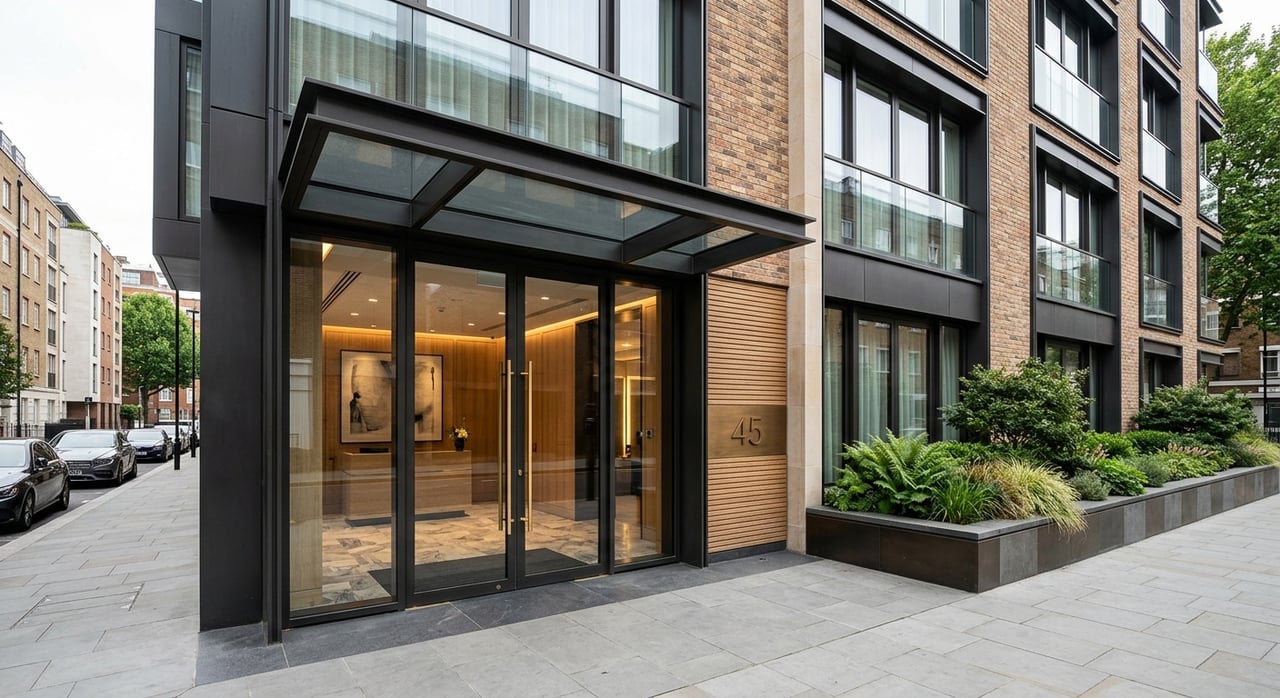
Thinking about leaving your Midtown condo for more space in Queens? You are not alone, but this kind of move is more complex than it looks. Even though you are staying within New York City, you are still coordinating two separate transactions, two closing timelines, and a long list of financial details. The good news is that with the right plan, you can reduce stress, protect your cash, and move with more confidence. Let’s dive in.
Why this move needs a strategy
Selling a Midtown condo and buying in Queens is not just a change of address. It is a same-city move with two NYC closings that need to work together. On both sides of the transaction, title, tax, and recording steps run through the city’s ACRIS system, so timing matters more than many sellers expect.
Your sale and purchase also affect each other financially. The equity from your Midtown condo may help fund your Queens down payment and closing costs, but your lender will usually want proof of those net proceeds before or at the new closing. That means your sale timeline is tied directly to your purchase financing.
Sell first is usually the safer path
For most homeowners, selling first is the default strategy. It helps you understand how much equity you will actually have available, and it lowers the risk of carrying two housing payments at once if the Queens purchase takes longer than expected.
This approach also gives you a clearer budget. Instead of estimating what your Midtown condo might net, you can work from real numbers after contract terms, closing costs, and taxes are accounted for. That often leads to smarter decisions when you start shopping in Queens.
If you want to buy before you sell, bridge financing may be the main tool to discuss. Bridge loans are short-term loans, often for 12 months or less, designed for buyers who plan to sell their current home after purchasing the next one. This option can help with flexibility, but it also adds another layer of cost and risk.
Know your Midtown sale costs
One of the biggest planning mistakes is focusing only on sale price and forgetting taxes. In New York City, a Midtown condo sale can trigger several taxes that affect your final proceeds.
New York State transfer tax is $2 per $500 of consideration, which equals 0.4%. New York State also applies a 1% mansion tax to residential purchases at $1 million or more, and in NYC the buyer generally pays that mansion tax. On the city side, residential real property transfer tax is 1% up to $500,000 and 1.425% above that, and the seller generally pays the base transfer tax.
For higher-priced transactions, additional city taxes can also come into play at the $2 million and $3 million thresholds. If you are selling a Midtown condo, these numbers can have a real impact on how much cash you bring to your next purchase.
Budget for Queens closing costs
When you buy in Queens, your down payment is only part of the picture. Closing costs typically run about 2% to 5% of the purchase price, and that is separate from the money you plan to put down.
If you are financing the purchase, NYC mortgage recording tax is another major item to budget for. For an individual residential condominium unit, the combined NYC mortgage recording tax is 2.05% for mortgages under $500,000 and 2.175% for mortgages of $500,000 or more.
You should also keep reserves in mind. If your down payment is below 20%, mortgage insurance may be required, and it is wise to keep an emergency cushion of three to six months of expenses rather than using every dollar of Midtown equity at closing.
Get preapproval early
If you plan to buy in Queens with a mortgage, preapproval should happen before you shop seriously. It gives you a realistic price range and helps you move quickly when the right home appears.
It is also smart to compare at least three lenders. Preapproval letters often expire in 30 to 60 days, so if your Queens search takes longer, you may need to refresh your letter before making or updating an offer.
If your Midtown sale proceeds will help fund the purchase, tell your lender early. The lender will usually need to verify the source of funds using the settlement statement from your sale, showing there is enough net cash to complete the purchase.
Build your timeline around two closings
A Midtown-to-Queens move rarely works best as a one-day, hour-by-hour plan. Even when everything looks lined up, mortgage and closing steps can shift.
For the Queens purchase, the lender must provide the Closing Disclosure at least three business days before closing. If an important change requires a corrected Closing Disclosure, that review period can restart in limited cases. That is why a timing cushion matters.
You should also expect filing and recording tasks to be part of the calendar. On the sale side, NYC requires the real property transfer tax return and payment within 30 days after transfer, even if no tax is due, and the return packet is created through ACRIS. On the purchase side, Queens closing documents also move through ACRIS, so both transactions need close coordination.
Protect yourself with contingencies
When you buy in Queens, contingencies are some of your strongest safeguards. Financing and inspection contingencies help protect you if the loan is denied or the property condition raises major concerns.
The mortgage contingency clause is especially important because it helps define whether your deposit is refunded if financing cannot be obtained. Without that protection, a failed mortgage can create serious financial consequences.
Appraisal risk also deserves attention. If the appraisal comes in below the contract price, the next step depends on the terms of the contract. In some cases, the parties may renegotiate, and in others the buyer may be able to cancel.
Plan for a timing gap
Even with careful preparation, your Midtown sale and Queens purchase may not close on the same day. Some closings take longer than expected as signatures are collected and final conditions are cleared.
That is why it helps to create a fallback plan early. Temporary housing, short-term storage, or a flexible move schedule can keep a small timing gap from becoming a major problem.
This is also where clear communication matters. Your agent, lender, and attorney should be working from the same timeline so any delay on one side does not catch you by surprise on the other.
Final steps before closing
As your Queens purchase gets closer, a few last details become especially important. Shopping for title insurance and other closing services can help you understand costs and avoid last-minute confusion.
You should also confirm whether the contract sets a closing deadline and schedule your final walk-through before signing. A repair issue, missing item, or lender delay can affect both your move and your Midtown sale proceeds, so this is not the stage to rush.
The smoother your final week is, the easier it becomes to move from Midtown to Queens without unnecessary stress. Good planning creates room for small surprises, which is exactly what most real estate closings need.
If you are planning to sell a Midtown condo and buy in Queens, the most important step is building a realistic plan from the beginning. With the right pricing strategy, timing coordination, and cash planning, you can move from one borough to another with less guesswork and more control. If you want a local broker who understands both the Queens market and the moving parts behind a same-city sale and purchase, Elaine Tian can help you map out the next step.
FAQs
Should I sell my Midtown condo before buying in Queens?
- Usually, yes. Selling first helps you know how much equity you will have and reduces the risk of carrying two housing payments if timelines shift.
Can I use proceeds from my Midtown condo sale for a Queens down payment?
- Yes. In many cases, your lender will need proof of the net sale proceeds from the settlement statement before or at the purchase closing.
What taxes should I expect when selling a Midtown condo?
- You may face New York State transfer tax and NYC real property transfer tax, and higher-priced deals can also trigger mansion tax and additional city taxes depending on the price point.
What closing costs should I budget for when buying in Queens?
- Closing costs typically run about 2% to 5% of the purchase price, and if you finance the home you should also budget for NYC mortgage recording tax.
What happens if the Queens appraisal comes in low?
- The outcome depends on your contract terms. In some cases, the price may be renegotiated, or you may be able to cancel the contract.
Why does timing matter so much in a Midtown-to-Queens move?
- Because your sale proceeds, mortgage approval, Closing Disclosure timing, and recording steps can all affect whether both closings stay on track.