If you work in or around Manhattan but still spend a lot of time in Queens, Midtown can look like the ultimate shortcut. You are close to major offices, major transit, and just about every kind of convenience you could need. But living there is not the same as visiting for work, and the trade-offs are real. If you are weighing Midtown against a Queens home base, this guide will help you understand what daily life, housing costs, and commuting options really look like. Let’s dive in.
What Midtown Feels Like Daily
Midtown is less like a traditional neighborhood and more like the center of the city’s work and transit network. The area includes major destinations and hubs such as Times Square, Grand Central Terminal, Penn Station, Madison Square Garden, Koreatown, and large office districts. In East Midtown alone, city planning describes more than 60 million square feet of office space and over a quarter-million jobs.
That shapes how the area feels when you live there. Midtown is built around workers, visitors, and commuters first, with residents sharing space in a very active environment. If you are used to a quieter block in Queens, Midtown will likely feel faster, louder, and more crowded.
Times Square is the clearest example of that pace. The district regularly sees about 200,000 to 250,000 pedestrians a day, can hit 330,000 on the busiest days, and recorded 243,066 average daily subway riders in 2024. The Times Square-42nd Street station was also the busiest subway station in the city that year.
That does not mean Midtown lacks convenience. It means the convenience comes with intensity. You have dining, shopping, entertainment, hotels, and major train access all around you, plus public spaces like Pershing Square Plaza near Grand Central with seating and pedestrian areas.
Why Queens Commuters Consider Midtown
If your job, schedule, or social life is centered in Manhattan, Midtown can make your week much easier. You are already standing in the middle of the city’s transit map, which can cut down on transfers and make last-minute plans simpler. For some buyers and renters, that convenience is worth paying more.
Midtown also works for people who keep strong ties to Queens. Maybe your family is there, you own a business there, or you commute back often for errands, meals, or weekends. In that case, living in Midtown can make the Manhattan side of your routine easier while still keeping Queens within reach.
The question is whether that convenience offsets the cost and the pace. For many people, that answer depends on how often they actually need to be in Midtown and how much they value a more residential home environment.
Midtown Housing: What To Expect
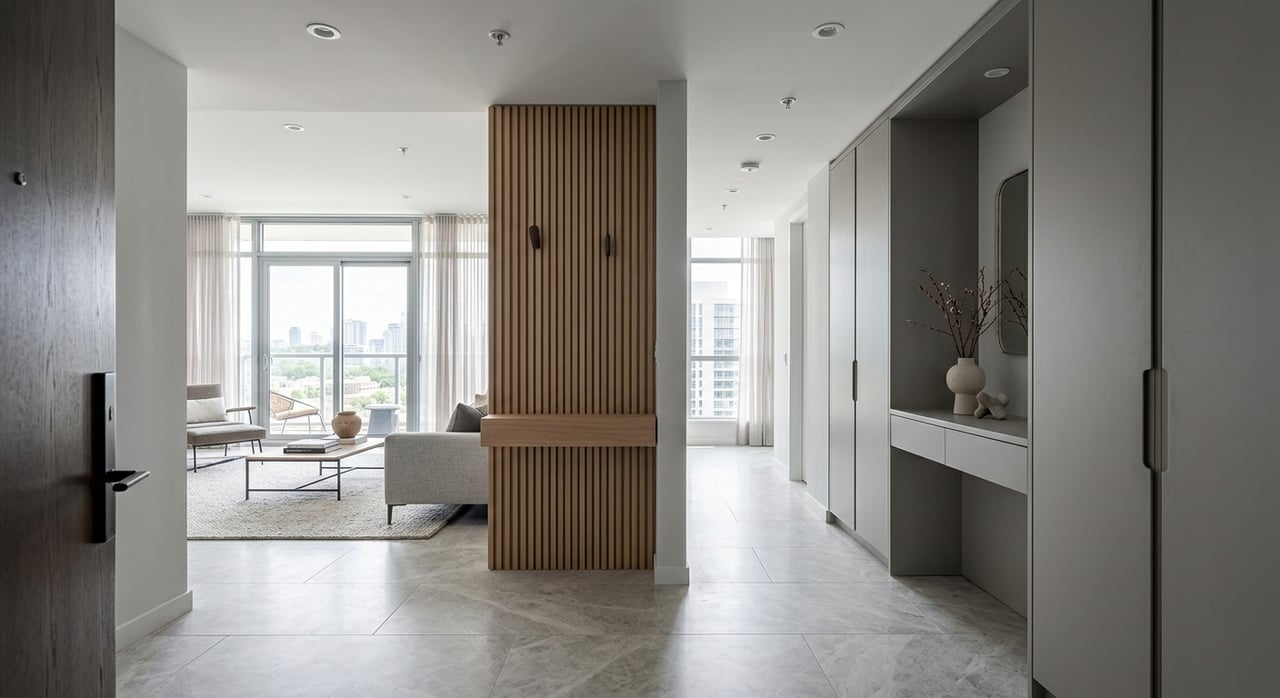
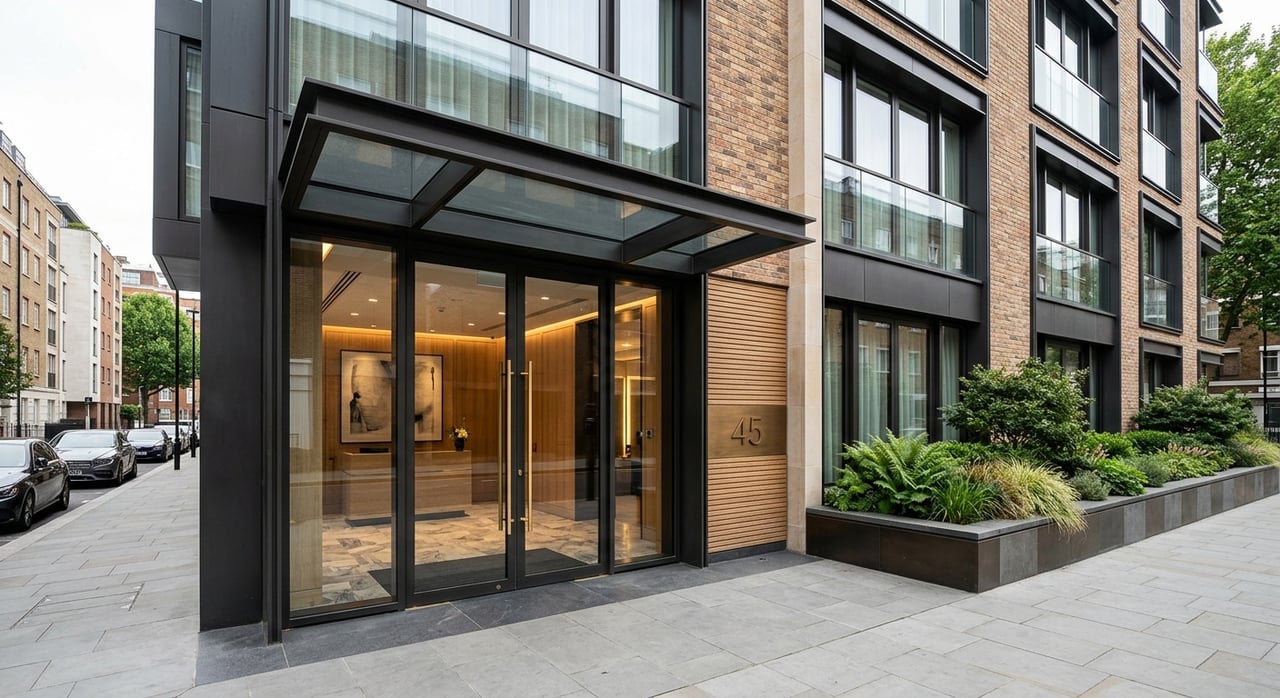
Midtown housing is overwhelmingly apartment-based. If you are shopping here, you will mostly be looking at rentals, condos, and co-ops rather than houses. That fits the area’s dense, high-rise, commercial character.
Current listing patterns show studios around $3,895 to $4,700 and one-bedrooms around $5,475 to $5,660 before fees. For a broader benchmark, StreetEasy’s May 2026 market report put Manhattan’s median asking rent at $4,927, compared with $3,350 in Queens.
That gap matters. When you choose Midtown over Queens, you are usually paying a premium for location, transit access, and proximity to office districts and entertainment. You are not typically paying for more space or a calmer street experience.
Local housing reports support that picture. Community District 5, which includes the Midtown core, is described as a dense, largely commercial district with a relatively small residential population. The district’s population grew 23% from 2010 to 2020, while new housing did not keep pace.
Midtown East shows a similar cost pattern. In Community District 6, median monthly rents ranged from $4,100 in Midtown East to $5,040 in Stuyvesant Town and Peter Cooper Village, and 36% of households were rent burdened. For renters and buyers alike, the message is simple: Midtown is a convenience play, not a value play.
Queens Commute Options From Midtown
For Queens commuters, the biggest advantage of Midtown is direct access to multiple transit lines and rail hubs. If your schedule depends on fast connections, that can make day-to-day life easier.
The 7 Train Advantage
The 7 train runs between Flushing-Main Street and 34 Street-Hudson Yards, with Times Square-42 Street and Queensboro Plaza serving as key Midtown and western Queens connection points. It runs express toward Manhattan on weekday mornings and express toward Queens in the afternoons and evenings.
If you spend a lot of time in Flushing, Sunnyside, or Woodside, the 7 is often the most familiar Midtown-to-Queens link. It is one of the clearest examples of how Midtown can serve as a practical launch point for Queens travel.
The E Train For Midtown Access
The E train runs at all times between Jamaica Center-Parsons/Archer and the World Trade Center. In Midtown, key stops include Lexington Avenue/53 Street, 7 Avenue/53 Street, 42 Street-Port Authority Bus Terminal, and 34 Street-Penn Station.
For buyers and renters with ties to central or eastern Queens, that line can be especially helpful. It gives you another strong Midtown-to-Queens option without relying on a single corridor.
LIRR And Express Bus Flexibility
Subway access is not the only tool. MTA materials note that riders can use the Long Island Rail Road between Manhattan and Queens through Penn Station, Grand Central, and Jamaica. That can be useful if you want a faster rail option or live near an LIRR stop on the Queens side.
Express buses still serve Midtown from parts of eastern and northeastern Queens, including routes such as the QM20 and QM68. These options matter most if your Queens destination is farther from the subway or if you want a one-seat ride from specific areas.
Midtown Vs Queens Hubs
If you like the idea of convenience but are not fully sold on Midtown living, it helps to compare it with strong Queens alternatives. For many commuters, these areas offer a better balance of access, price, and day-to-day comfort.
Long Island City
Long Island City is the closest Queens alternative to Midtown-style living. City planning rules describe it as a mixed residential, commercial, and industrial area designed to support moderate- to high-density development in a compact, transit-oriented setting.
That blend can be appealing if you want modern housing, strong transit access, and quick trips into Manhattan without living in Midtown’s busiest core. Compared with Midtown, LIC is often a better fit if you want a more residential base while staying close to major job centers.
Woodside
Woodside offers a more grounded neighborhood feel. Queens Community Board 2 describes it as a residential and commercial neighborhood, with some areas more widely residential and others closer to Roosevelt Avenue feeling more urban.
For Midtown workers, Woodside can be a practical middle ground. You still get 7 train access, but your home environment may feel less intense than Midtown. That said, homes near the elevated 7 corridor can come with more noise and street activity.
Flushing
Flushing is one of the most transit-connected areas in Queens. City sources describe Downtown Flushing as a major hub with the 7 train, the LIRR, and many bus lines, and one official source calls it one of the largest intermodal transfer points in Queens.
That level of convenience can make Flushing very attractive for commuters. But it is important to know that Flushing also has a very active street environment, with a more commercial feel than some buyers and renters expect.
Is Midtown Worth It For You?
Midtown usually makes the most sense when convenience clearly outweighs space, quiet, and price. If your work is centered in Manhattan, your schedule is packed, and you want immediate access to major transit and city amenities, Midtown can be a strong fit.
If your top priorities are value, a more residential setting, or a little more breathing room, Queens may offer better options. Hubs like Long Island City, Woodside, and Flushing still keep Midtown within reach while often giving you a more balanced daily living experience.
For many people, this decision comes down to your real routine, not your ideal one. How many days are you actually in Midtown? How often are you headed back to Queens? And are you willing to pay Manhattan pricing for that time savings?
A smart move is to compare your likely monthly housing cost, your real commute pattern, and the kind of environment you want when you get home at the end of the day. That simple side-by-side view often makes the answer much clearer.
If you are comparing Midtown with Queens neighborhoods like Flushing, Woodside, Elmhurst, or Long Island City, working with someone who understands both sides of the commute can save you time and help you focus on the right fit. To talk through your options, schedule a free consultation with Elaine Tian.
FAQs
Is Midtown Manhattan a good place to live if you commute to Queens often?
- Midtown can work well if you need direct access to major subway lines, Penn Station, Grand Central, and other transit hubs. The trade-off is higher housing costs and a busier daily environment than most Queens neighborhoods.
How much more expensive is Midtown than Queens for renters?
- StreetEasy’s May 2026 report put Manhattan’s median asking rent at $4,927 versus $3,350 in Queens, which shows a meaningful premium for living in Midtown or nearby Manhattan areas.
Which subway lines help Queens commuters from Midtown Manhattan?
- Key options include the 7 train for western and northeastern Queens connections and the E train for central and eastern Queens connections, along with LIRR access from Penn Station and Grand Central.
Is Long Island City a better alternative than Midtown for Queens commuters?
- For many buyers and renters, yes. Long Island City often offers a more residential base while still providing strong transit access to Midtown and other parts of Manhattan.
Does Midtown Manhattan feel like a residential neighborhood?
- In most areas, Midtown feels more like a dense commercial and transit district than a traditional residential neighborhood. Daily life is shaped heavily by office workers, visitors, and commuters.
What should Queens buyers and renters compare before choosing Midtown?
- Focus on your monthly housing budget, your real commute pattern, the transit lines you will use most, and whether you want a fast-paced commercial setting or a more residential home base.