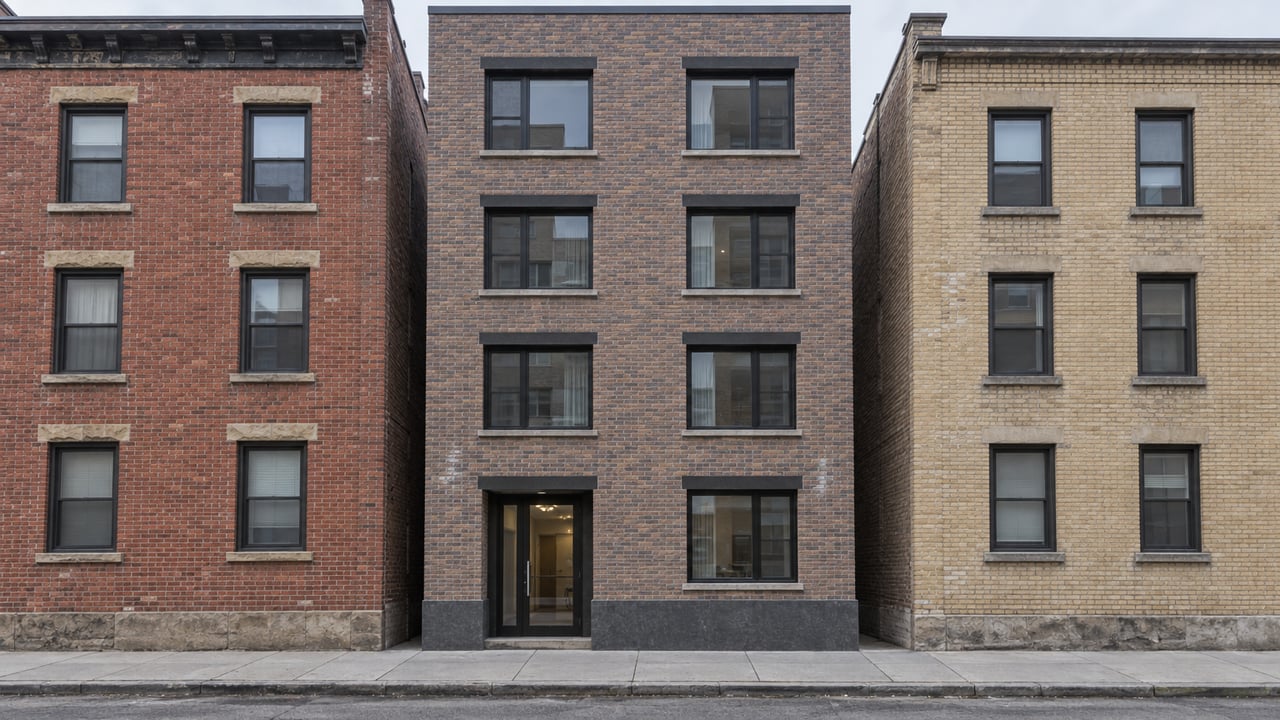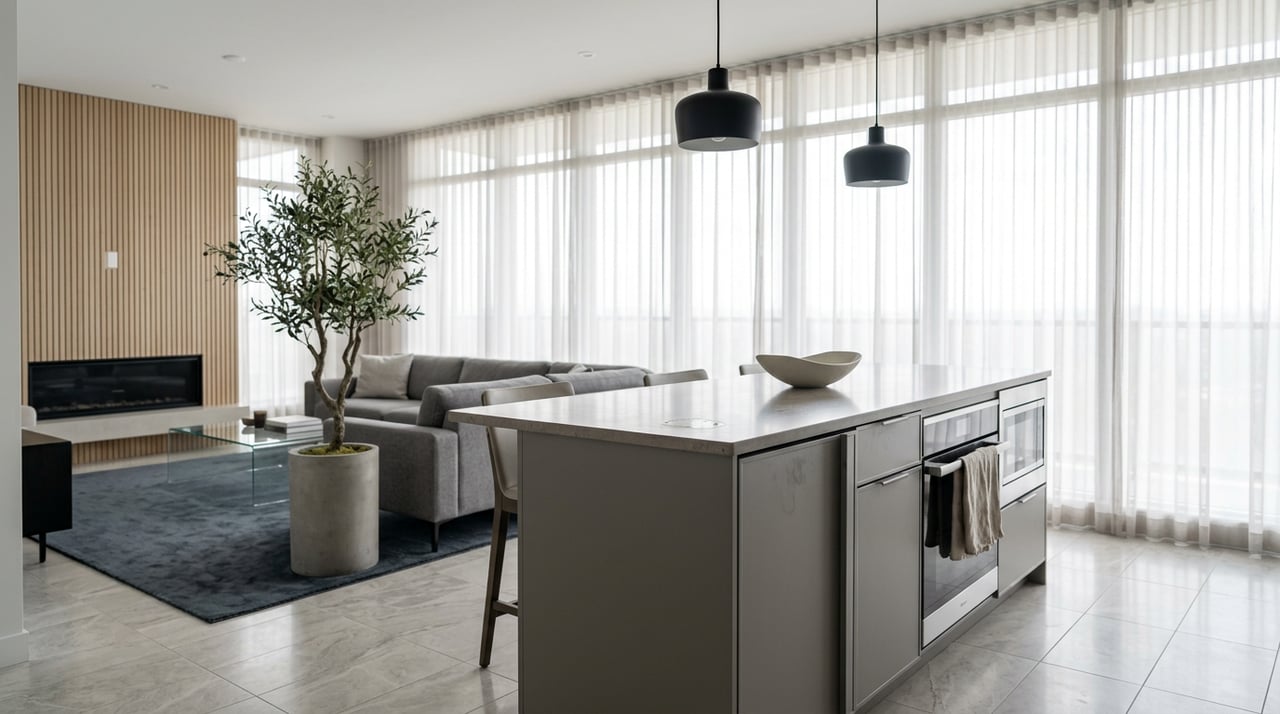
Pull up two listings in Flushing priced within $20,000 of each other. One is a one-bedroom co-op in a prewar elevator building near Kissena Park. The other is a one-bedroom sponsor unit in a brand-new tower off Northern Boulevard. Same price. Same bedroom count. Almost nothing else about them is the same.
One requires a board package, a personal interview, and often a down payment well above 20 percent because most co-op boards in Flushing don't allow the low down payment programs that make FHA and VA loans possible. The other can close with a conventional loan, an FHA loan, or a VA loan, and no board ever meets the buyer. One has a maintenance bill that already includes the building's underlying mortgage and staff costs. The other has a common charge and a separate property tax bill, both of which are usually lower per square foot in a new building than the combined monthly cost of an older co-op.
That gap is not an anomaly. It is the reason Flushing's median sale price is one of the least useful numbers a buyer can lean on right now.
The Number Doing Too Much Work
Ask for "the median price in Flushing" and you'll get a single figure. That figure is doing something it was never built to do: combining two markets that are currently moving differently.
In Downtown Flushing, PropertyShark's January 2026 market data put the median co-op sale price at $305,000, down 14.7 percent from the year before. In the same window, the median condo price held flat year over year at $600,000. That's not a small spread. It's nearly double, and one side of it is actively falling while the other is standing still.
A single neighborhood median blends both of those numbers into something that describes neither. If you're comparing your budget to "the Flushing median," you're really comparing it to a blend of a shrinking co-op market and a steady condo market, which tells you very little about what either one actually costs to get into.
Why Financing Draws The Line
The mechanism behind the split is not mysterious once you see it. It's financing.
Condos in Flushing can be purchased with conventional, FHA, or VA loans, which means a much wider pool of buyers can qualify to bid on them. Co-ops, by contrast, are governed by a proprietary lease and a board that sets its own financing rules, and many Flushing co-op boards restrict or exclude government-backed loans entirely. That shrinks the buyer pool for co-ops to people with larger cash reserves or access to portfolio lending, at exactly the moment when higher rates have made every dollar of financing flexibility matter more to buyers.
Add to that the ongoing cost. Co-ops with monthly maintenance above roughly $1,200 have been seeing softer demand across Queens as buyers weigh total housing cost rather than purchase price alone. Flushing has a large stock of older co-op buildings, some of which are now raising maintenance to cover aging infrastructure and required upgrades under the city's climate compliance rules. A buyer comparing a $305,000 co-op to a $600,000 condo isn't just weighing a price difference. They're weighing two different monthly obligations, two different financing paths, and two different pools of competing buyers.
Three Buildings Explain The Timing
The gap isn't just a financing story. It's also a supply story, and the supply is landing right now.
- Flushing Commons Phase II broke ground on September 16, 2026. Developer F&T Group, working with the New York City Economic Development Corporation, is building an 18-story tower with 156 residential units alongside 132,000 square feet of retail and 123,000 square feet of office space in the heart of Downtown Flushing.
- Northern Center, a 17-story, 135-unit condo tower at 138-18 Northern Boulevard, launched sales this year with one-bedrooms starting at $649,770, positioned just beyond the downtown core near the Shops at Skyview and H Mart.
- The Grand at Sky View Parc, part of the Flushing Creek development corridor led by Onex Real Estate Partners, is selling condos with one-bedrooms priced from $835,000, backed by rooftop amenities and direct access to the Shops at Skyview retail complex.
As QNS reported, F&T Group executive vice president Helen Lee described the neighborhood's trajectory this way at the Flushing Commons groundbreaking:
"Flushing has always been a neighborhood with tremendous energy, opportunity and potential, and we are proud to play a role in its continued evolution."
Three separate developers, three separate sites, all delivering condo inventory into the same market window. That's a meaningful amount of new, financeable, board-free supply arriving while the existing co-op stock ages and its buyer pool narrows. The condo side of Flushing's market isn't just holding steady by coincidence. It's absorbing new product built specifically to appeal to the buyers who have the most financing options.
What This Means If You're Comparing Two Listings
If you're a first-time buyer stretching for a down payment, the financing gap works in your favor on the condo side.
If you're a move-up buyer trading co-op equity for more space, understand that you're selling into a segment where prices have softened, which affects your net proceeds even if the neighborhood's overall median looks stable. Timing the sale of an older co-op unit against the arrival of new condo inventory nearby is worth a direct conversation about pricing strategy rather than a glance at the last headline number.
If you're an investor, the math changes again. Co-ops carry restrictions on subletting that vary building to building and can limit your ability to rent the unit at all, while condos generally offer more flexibility for buy-and-hold strategies. A $305,000 co-op and a $600,000 condo are not two entry points into the same asset class. They're two different products with two different exit strategies.
A Few Questions Worth Asking Before You Compare Two Listings
Can I actually use an FHA or VA loan on this specific building? Ask before you fall for a unit. Some condo buildings maintain FHA approval and others don't, and the answer changes your real budget.
What's driving this co-op's maintenance increase, and is it a one-time assessment or a permanent rate change? Older buildings facing required energy upgrades under the city's climate rules may see maintenance climb again before it stabilizes.
How many comparable units has this new building sold in the last few months, and at what price relative to the original ask? A tower that just launched sales, like Northern Center or Flushing Commons Phase II once its units come to market, doesn't have the same sales history as an established co-op building, so early pricing can move quickly in either direction.
The Flushing median will keep making headlines because it's a single, quotable number. What it won't do is tell you which of the two markets underneath it you're actually shopping in, or why the gap between them is wider today than it was a year ago. That's a conversation worth having with someone who tracks both sides of this market as they move.
If you're weighing a Flushing co-op against new condo inventory, or trying to figure out what your equity actually buys once financing and carrying costs are factored in, Elaine Mo can walk through the current listings on both sides of that split and help you schedule a free consultation before you make an offer.
This article is general information, not legal, tax or financial advice. Consult a qualified professional about your situation.