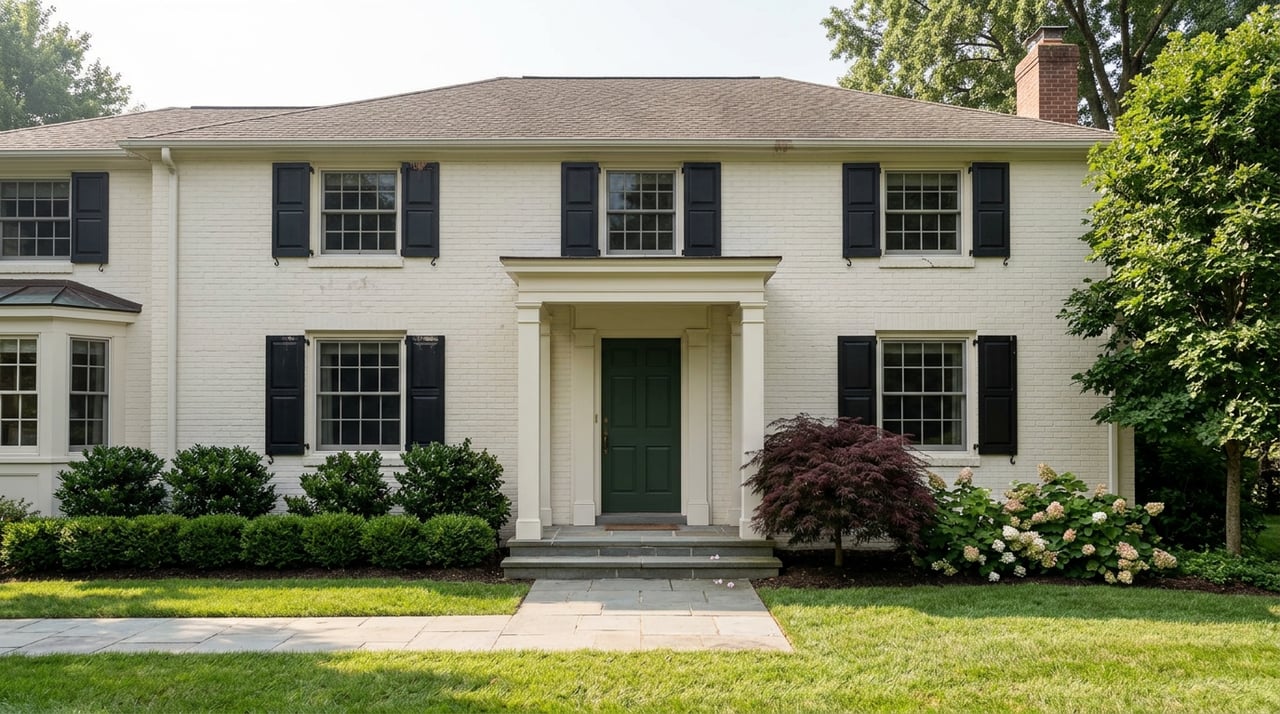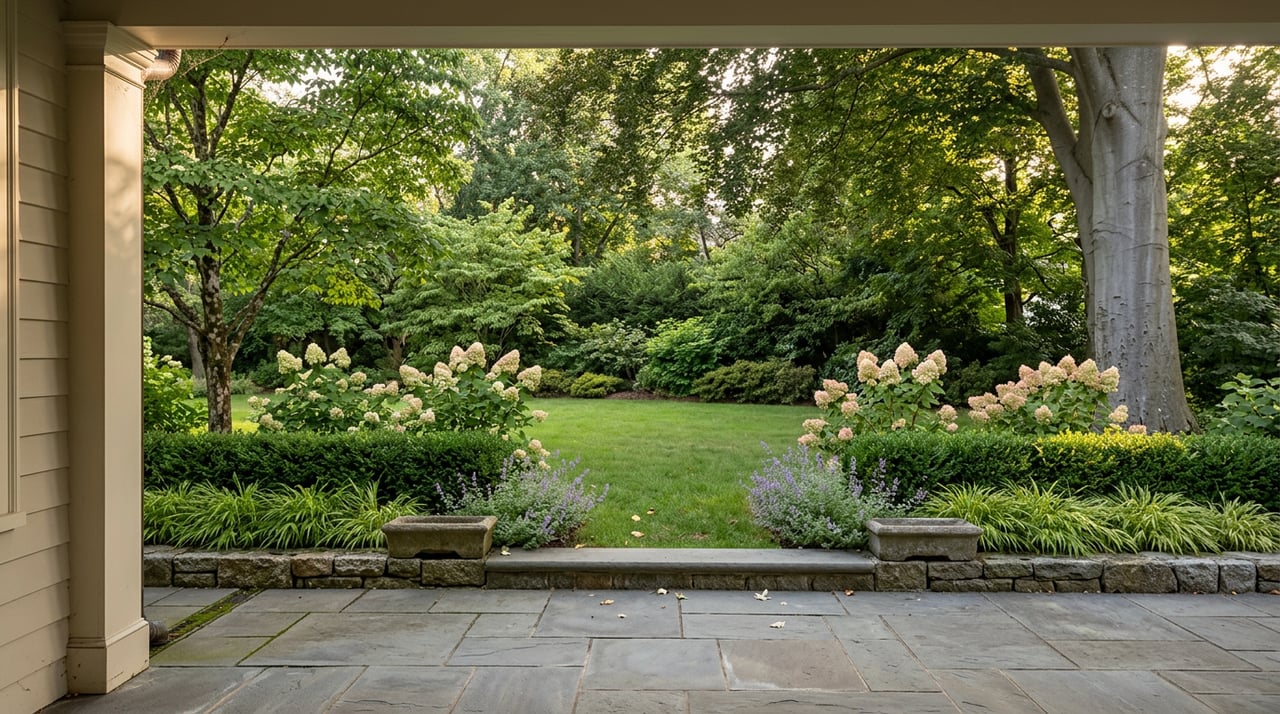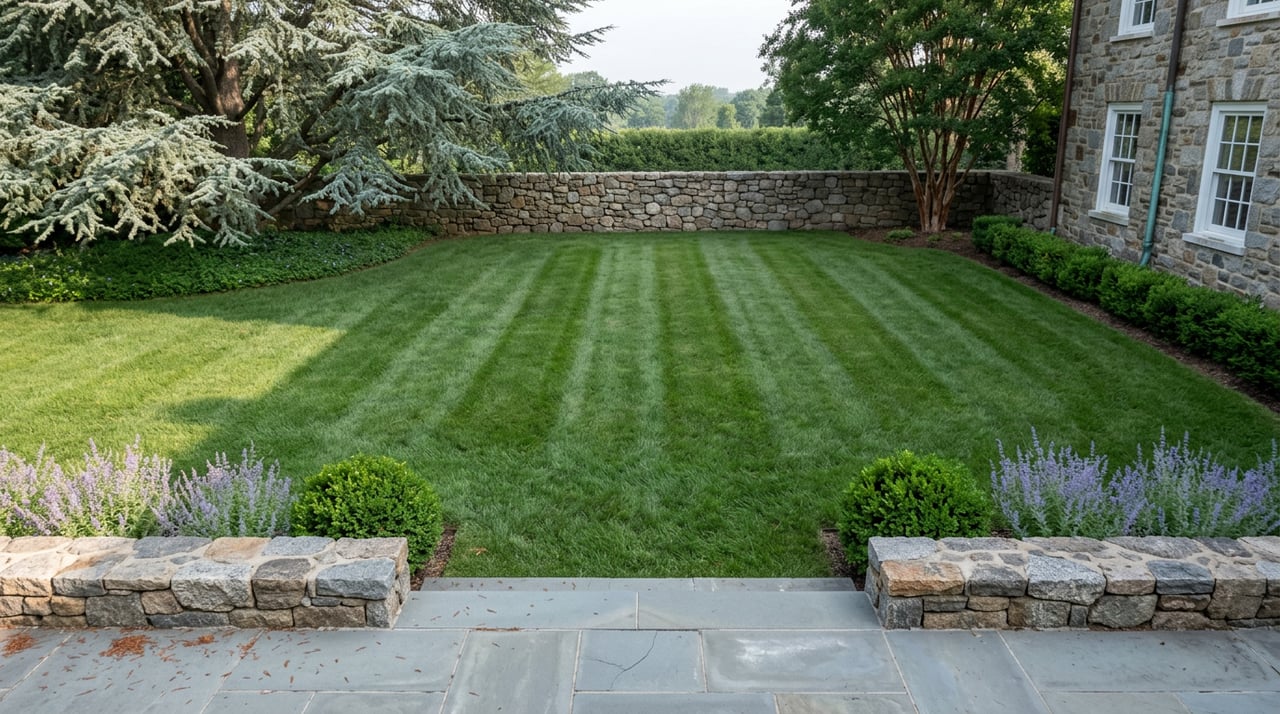
Type "Great Neck" into a home search and you get one list, one map pin, one median price ticking along the top of the results. It reads like a single neighborhood. It isn't. The Great Neck peninsula in North Hempstead is home to nine separate incorporated villages, each with its own board of trustees, its own budget, and in several cases its own police department, sitting alongside unincorporated pockets that answer to the town instead. They share a name, a handful of ZIP codes, and a train line. Almost everything else, including who responds when you call for help and which pool your membership actually covers, depends on which side of a property line you land on.
That distinction rarely shows up in a listing photo. It should show up before you write an offer.
One Name, Nine Governments
The incorporated villages on the peninsula are Great Neck, Great Neck Estates, Great Neck Plaza, Kings Point, Russell Gardens, Thomaston, Kensington, Saddle Rock, and Lake Success. Each one has its own elected board and sets its own local rules on everything from architectural review to overnight street parking. They coordinate through the Great Neck Village Officials Association, a body that also loops in the Great Neck Public Schools, the Great Neck Park District, the Great Neck Library, and the Water Authority of Great Neck North, plus the town, county, and state officials who cover the unincorporated slices of the peninsula.
That coordinating group exists because the fragmentation is real enough to need managing. The core area carries five ZIP codes, 11020 through 11024, unified by the park district and connected to a shared library and school district. A slice of unincorporated North New Hyde Park, ZIP code 11040, is zoned into Great Neck Public Schools without sharing the rest of the peninsula's ZIP codes at all. Water, schools, and the library are peninsula-wide. Policing, parks, and land use are not. That split is the whole story.
Who Actually Answers the Call
Here is the part most buyers never think to ask about: four of the nine villages run independent police departments. Great Neck Estates, Kings Point, Kensington, and Lake Success each employ and manage their own force, often hiring officers off the Nassau County Civil Service list who bring prior experience from NCPD or neighboring village departments. Everywhere else on the peninsula, including the incorporated Village of Great Neck itself, falls under Nassau County Police Department coverage, but even that isn't uniform. The Sixth Precinct, based in Manhasset, covers most of the peninsula. Great Neck Plaza is covered separately by the county's Third Precinct.
Fire and rescue follow a similar patchwork. Vigilant Fire Company covers the middle of the peninsula and runs ambulance service for its own district and a neighboring one. Manhasset-Lakeville Fire Department companies cover the southern end, including Thomaston and Lake Success, with their own ambulance unit based out of a firehouse there.
None of this shows up when a listing says "Great Neck." It shows up on the response ticket when something goes wrong, and it shows up in the village budget line that funds it.
The Pool You Can Join, and the One You Can't
The Great Neck Park District runs the Parkwood Pool and skating rink complex, the Village Green, and sections of Steppingstone Park in Kings Point, a former Chrysler family estate that hosts free outdoor concerts through the summer. Membership in that district is baked into how most of the peninsula is taxed and governed.
Three villages sit outside it entirely. Saddle Rock, Great Neck Estates, and Lake Success are excluded from the Great Neck Park District, along with the neighborhoods of Harbor Hills and University Gardens. Residents there rely on facilities run by their own village or by a civic association instead. If recreation access matters to your household, the question isn't "does Great Neck have a pool." It's "which nine does the house you're touring belong to, and does that one come with pool access or a separate arrangement you'll need to sort out yourself."
What the Price Tiers Are Actually Reflecting
Once you see the governance map, the price spread across the peninsula stops looking like noise and starts looking like structure. Kings Point sits at the top of the range. It's gated, waterfront on Manhasset Bay, built around large lots, and anchored by a federal institution, the United States Merchant Marine Academy, founded there in 1943 on the site of Walter P. Chrysler's former estate. A federal academy as a neighbor means unusually stable zoning and a fixed character that isn't going to shift with the next development cycle. That stability is part of what buyers are paying for, not just the waterfront.
Great Neck Estates occupies similar territory: a planned, deed-restricted waterfront community where the village enforces its own architectural code, trading some flexibility for consistency across the streetscape.
Great Neck Plaza is the outlier in the other direction. It's the only village on the peninsula with an actual walkable downtown, LIRR access, and mixed-use zoning that puts condos and professional offices within a short walk of the train. Lot sizes run smaller and the housing stock skews toward attached and multi-family product rather than large single-family lots.
The villages toward the western end of the peninsula carry the Great Neck name and postal address without the waterfront or downtown premium attached to it, which is part of why they trade at a relative discount to Estates or Plaza even though every one of these villages is still, technically, "Great Neck" on a listing sheet.
The One Thing That Doesn't Change
Here's what makes the governance story worth paying attention to rather than filing away as trivia: the commute is nearly identical no matter which of the nine villages you land in. Great Neck's LIRR station sits on the Port Washington Branch, which runs directly into Penn Station without the transfer at Jamaica that most other Long Island Rail Road branches require. Depending on the train, that's roughly a 30 to 40 minute ride, and some peak trains terminate right at the Great Neck station rather than continuing further out. That travel time barely shifts whether you're boarding from Kings Point, Great Neck Plaza, or the western edge of the peninsula.
If the train ride barely changes but the price tag can multiply several times over between the western edge of the peninsula and a Kings Point waterfront estate, that gap isn't buying a faster commute. It's buying a different police department, a different park district relationship, a different architectural review process, and in some cases a different zoning history entirely. Once you isolate what's actually constant across the peninsula, the true costs of each village become a lot easier to see.
Reading a Listing Like Someone Who Knows the Difference
Before you tour a house that comes up under a Great Neck search, ask three questions that a portal listing won't answer for you:
Which of the nine villages, or which unincorporated pocket, is this specific address actually in? A listing agent should be able to tell you immediately, and the village name usually shows up in the property's legal description even when the marketing copy just says "Great Neck."
Does that village run its own police department, or does it fall under NCPD's Sixth or Third Precinct? This tells you who to call, and it's a reasonable proxy for how much of your village tax bill funds public safety directly versus paying into the county structure.
Is the property inside the Great Neck Park District, or is it one of the villages carved out of it? If recreation access matters to how you plan to live there, this determines whether you're paying into a shared amenity or need to budget for a private club or your own village's separate facility.
None of these questions will show up as a filter on a home search site. All three determine what day-to-day ownership actually feels like once you're the one paying the tax bill and calling the number on the fridge.
A Few Questions Worth Asking Before You Tour
Is "Great Neck" the same as the Village of Great Neck? No. The Village of Great Neck is one of the nine incorporated villages on the peninsula, distinct from Great Neck Estates, Great Neck Plaza, Kings Point, and the others, even though all nine share the broader Great Neck name and several ZIP codes.
Do all nine villages pay the same property tax rate? No. Each incorporated village levies its own municipal tax on top of the county and school portions of the bill, which means two homes with identical assessed values in different villages can carry different total tax bills based on what each village's budget requires.
Can someone from outside the Great Neck Park District use Steppingstone Park? Steppingstone Park sits in Kings Point and is managed in part by the Great Neck Park District, which serves most but not all of the peninsula. If you're buying in one of the villages excluded from the district, confirm access and any guest or membership policy before assuming it's included.
If you're comparing Great Neck against other North Shore towns, or trying to figure out which of its nine villages actually fits your budget and priorities, that's exactly the kind of groundwork worth doing with someone who works this peninsula regularly. Elaine Tian can walk you through which villages are realistically in reach and what each one actually includes before you spend a weekend touring houses that only look like they're in the same neighborhood.